Resources · For Paralegals
5 Questions to Ask Before Hiring a Process Server
You're the one who picks the vendor. You're also the one who hears about it first if the serve goes sideways. Here's how to vet in five questions.
Last updated: June 13, 2026
Why this matters (to you, personally)
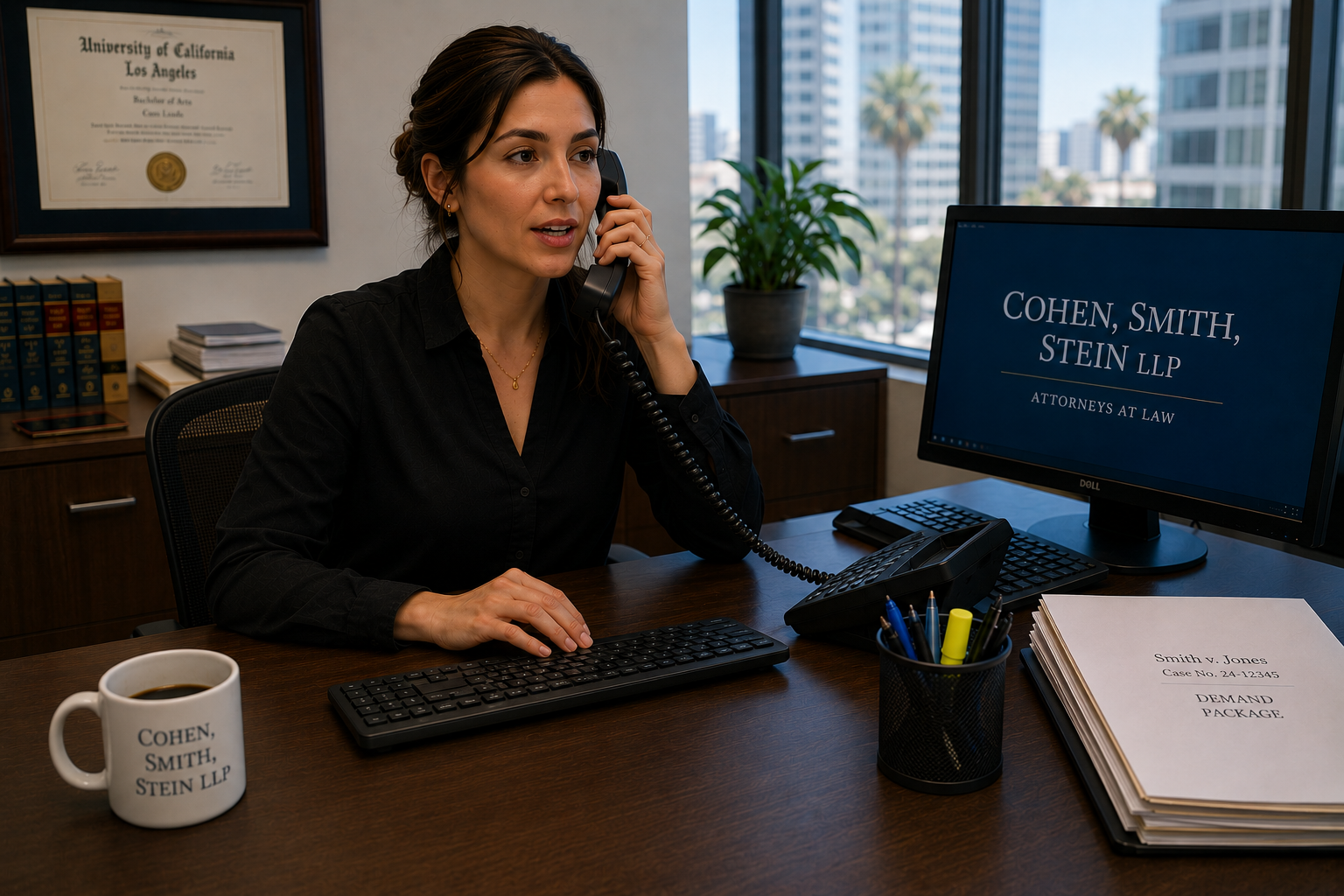
When service goes well, nobody mentions it. When it goes badly — wrong address, weak affidavit, no updates for a week — it lands on your desk first. The right vendor makes you look organized, prepared, and on top of things. The wrong one makes you spend Thursday afternoon on the phone explaining why the Proof isn't filed yet.
Question 1: How will I get status updates, and how often?
Look for a vendor whose default is proactive updates after every attempt— same day, with the time, what happened, who answered the door (if anyone), and what the next step looks like. Bonus points for a portal you can check without sending an email.
Red flags: "We'll let you know when it's served." Translation: silence until they bill you. You should be able to walk into your attorney's office and answer "where are we on the Smith serve?" without checking.
Question 2: What's your process for hard-to-find defendants?
A strong vendor talks about skip tracing, varied attempts (different days, different times), neighbor and employer outreach, social media verification, and clean documentation of each step. They tie this back to California's diligence requirements rather than just citing a "three attempts and we're out" policy.
Question 3: How fast can you do rush, and what does it cost?
Real rush capability is a tiered menu — typical examples:
- Standard: first attempt within 48–72 hours
- Rush: first attempt same day or next business day
- Same-day / 4-hour: served within hours of receiving the documents
Each tier has a price you can quote without picking up the phone. If "rush" means "we try harder," that's not a tier — that's a vibe.
Question 4: Can I see a sample Proof of Service?
Always ask. A redacted POS-010 should have specific times (not round-number "10 a.m., 11 a.m., 12 p.m."), a detailed description of the person served, the substitute-service mailing date when applicable, and a clean diligence narrative.
Question 5: Are you registered and bonded?
California Business & Professions Code § 22350 requires process servers to register in their home county (with a $2,000 surety bond) before serving more than 10 papers per year. A vendor operating across counties should be registered in each one or have a clear chain of registered servers handling the work.
For the deep dive on what registration actually entails, see our guide on becoming a registered process server in California.
Bonus: the checklist of what to send
Once you've picked the vendor, the next move is sending them what they need to make the first attempt count. We have a full service request checklist — bookmark it.
FAQ
How will I get status updates and how often?
Strong vendors push proactive updates after every attempt — same day, with the time, outcome, and any notable observations. Weak vendors make you call to find out what's going on. Ask for sample update emails or screenshots of the portal before you commit.
What's your process for hard-to-find defendants?
Look for an answer that includes skip tracing, varied days and times, neighbor and employer outreach, and clear documentation of each attempt. If you hear 'we go three times and move on,' that's a vendor optimizing for their margins, not your case.
How fast can you turn around a rush job and what does it cost?
Same-day and next-day rush service should be a real menu item, not a heroic favor. A good vendor publishes their rush tiers (e.g. 24-hour, same-day, 4-hour) with the corresponding price uplift, so you can quote your attorney without a phone call.
What does your Proof of Service look like — can I see a sample?
Yes. Always. A vendor that hesitates to show you a redacted sample either has nothing to show or knows their POS is thin. Strong samples have specific times, full descriptions, and a clean diligence narrative.
Are you registered and bonded in the counties where you serve?
California Business & Professions Code § 22350 requires registration in the server's home county with a $2,000 surety bond. Vendors operating across counties should be registered in each one — or have a documented relationship with a registered server who is.
Need service handled right?